Learn everything about Healthy Homes Standards. Improve comfort, safety, and energy efficiency in your home with our expert guide.
Ensuring your home meets Healthy Homes Standards is essential for overall comfort, safety, and long-term health. These standards are designed to create living environments that are warm, dry, and energy-efficient, which directly benefit both physical well-being and financial savings. For homeowners, it means protecting the property from damage and maintaining higher value. For tenants, it ensures a healthier, safer, and more comfortable place to live. For landlords, compliance avoids legal issues and supports long-term rental success. By understanding and following these standards, you can reduce health risks, cut energy costs, and enjoy a better quality of life.
What Are Healthy Living Standards?
Healthy Homes Standards are government regulations that ensure homes are safe, warm, and dry. These standards cover essential aspects such as heating, insulation, ventilation, moisture control, and draught stopping, helping homeowners and tenants maintain a healthy living environment.
Key components include:
- Heating: Minimum required heating for comfortable living.
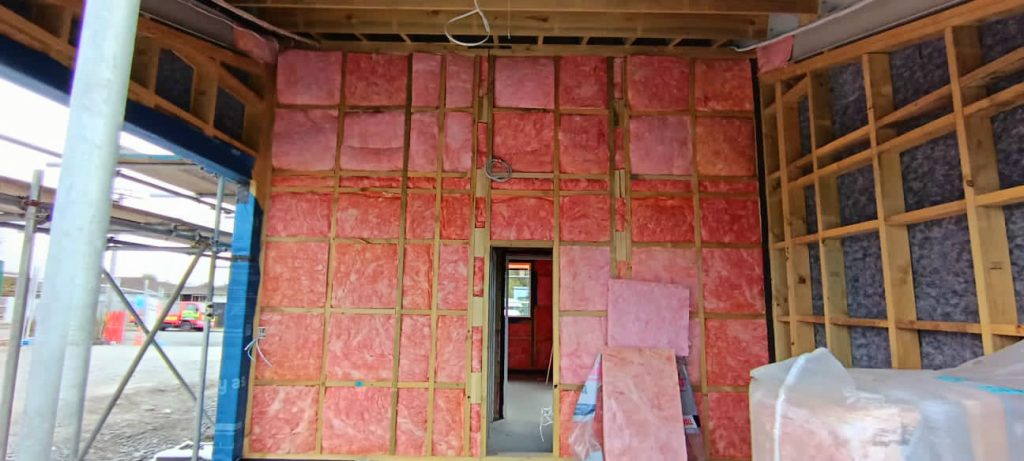
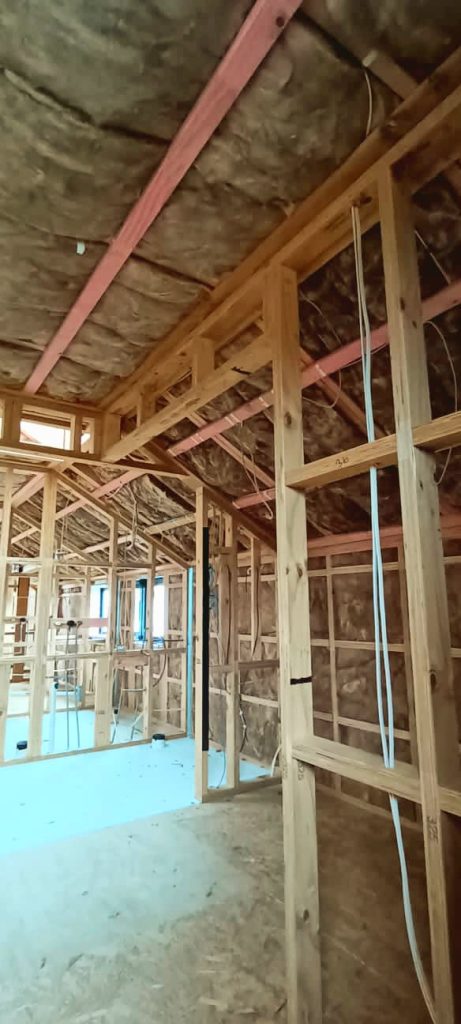
- Insulation: Proper wall and ceiling insulation.
- Ventilation: Ensure adequate airflow to prevent mold growth.
- Moisture Control: Protection against leaks and dampness.
- Draught Stopping: Sealing gaps to retain warmth.
Why Are Healthy Housing Guidelines Important?
Why should homeowners follow Healthy Homes Standards?
- Improves indoor air quality.
- Reduces respiratory issues and allergies.
- Lowers energy bills with efficient heating and insulation.
- Increases property value and market appeal.
How Do Housing Quality Standards Affect Tenants?
What do tenants need to know about Healthy Homes Standards?
Tenants benefit from these standards because their homes are guaranteed to meet safety and comfort guidelines. This ensures:
- Warm, dry living spaces.
- Lower risk of mold and damp-related illnesses.
- Energy-efficient homes reduce utility costs.
Guide to Achieving Healthy Housing Guidelines in Your Property.
Steps to comply with Healthy Homes Standards:
- Inspect Insulation: Ensure walls, ceilings, and floors comply with Healthy Homes Standards to keep your home warm and dry.
- Install efficient heating: Maintain a minimum temperature of 18°C in living areas.
- Improve ventilation by installing extractor fans and ensuring proper airflow.
- Address moisture issues: Fix leaks, install moisture barriers, and maintain gutters.
- Seal draughts: Use weather stripping around windows and doors.
What Are Common Challenges in Meeting Home Wellbeing Standards?
Challenges homeowners face:
- High upfront costs for insulation and heating.
- Limited knowledge about current compliance requirements.
- Difficulty accessing professional services.
Tips to overcome these challenges:
- Apply for government grants or rebates.
- Hire certified insulation and heating professionals.
- Schedule regular home inspections.
How Can Healthy Homes Standards Save You Money?
Ways standards reduce costs:
- Lower energy bills through improved insulation.
- Fewer repairs due to moisture and mold prevention.
- Reduced healthcare costs from healthier living conditions.
Are Healthy Homes Standards Mandatory?
Yes, these standards are mandatory for rental properties, and compliance is required by law. Homeowners should aim to meet them voluntarily to ensure safety and comfort. Non-compliance can lead to penalties for landlords and unsafe living conditions for tenants.
Can Healthy Housing Guidelines Improve Property Value?
Absolutely. Properties that meet these standards:
- They are more attractive to tenants and buyers.
- Offer long-term savings and comfort.
- Demonstrate a commitment to sustainable and healthy living.
What Professionals Can Help With Compliance?
Who can assist homeowners?
- Certified insulation installers.
- Licensed heating specialists.
- Building inspectors familiar with Healthy Homes Standards.
Tip: Always check credentials to ensure high-quality work and compliance.
How Often Should You Review Healthy Homes Standards?
Regular reviews are essential.
- Inspect homes annually for insulation and heating efficiency.
- Check for leaks, mold, and ventilation issues every six months.
- Stay updated with government regulations and updates.
Conclusion
Following Healthy Homes Standards ensures your home is safe, comfortable, and energy-efficient. Act now to meet Healthy Homes Standards and keep your family safe while boosting your property’s quality.
Call-to-action: Get a free Christchurch insulation quote today!